
JOIN US
Introduction to the Ekklesia : That They May Be One
Find out how to live out oneness in the Body of Christ through deep love, truth, and the power of the Spirit.
Who is this course for?
Believers who are tired of division and disconnection
Christians hungry for deeper community and shared purpose
People who want to live out the Gospel in unity, not just doctrine
What You Will Learn
Module 1
M1.L0. : "That They May Be One"
God’s eternal purpose is made visible through the one Ekklesia, a gathering of diverse believers that expresses oneness, not through structure, but through shared life, identity, and fellowship in Christ.

M1.L1. : Jesus Died to Gather God’s Children into One
Jesus didn’t just die to forgive our sins—He died to bring us together as one united family who live in peace with each other.

M1.L2. : Oneness Is the Heart of Jesus’ Final Prayer
Jesus prayed for His followers to live in unity that reflects the love of the Trinity and shows the world God’s purpose through a united people.

M1.L3. : The New Commandment: Love as Christ Loved
Jesus showed us that real love is how we live in unity with Him—especially when we love those who are different from us—and this kind of unity takes humility, courage, and grace; it doesn’t happen automatically, but grows through Spirit-led peacemaking.

M1.L4. : Unity Reflects the Trinity
The unity of the Ekklesia reflects the love, purpose, and fellowship of the Trinity, and it grows through Spirit-led relationships—not through sameness or structure.

M1.L5. : Blessing Comes with Unity; Division Brings Weakness
Unity isn’t just a result of the Gospel—it’s the message the Cross proclaims to the world, revealing God’s heart, strengthening our witness, and showing who Jesus is, while division impairs our impact and hides His presence.

Module 2
M2.L0. : Common Faith and Common Salvation
God’s people are one family, united by our common faith in Jesus who have the same Spirit—no matter their background.

M2.L1. : Jesus is God Who Became a Man
Our shared faith begins with Jesus Christ—who He is, what He has done, and why it unites all believers across every background.

M2.L2. : Jesus Died on the Cross for Our Sins
Through faith in Jesus, and what He did on the cross where He died for our sins, we are born again by the Spirit—made new, united as God’s children, and brought into one family that crosses every background.

M2.L3. : Jesus Rose from the Dead and Ascended
The resurrection gives every believer new identity, shared hope, and the power to live as one.

M2.L4. : The Holy Spirit Dwells in Believers
Living in the understanding of the indwelling Spirit of God will unite us with all other belivers and result in the fruit of the Spirit being evident in the believers life.

M2.L5. : We Are Saved the Same Way
We have a common faith, which means we are all saved the same way! Jesus must remain the center of our faith. When we return to Him as our first love, we find unity, purpose, and freedom from distractions that divide.

Module 3
M3.L0. : Eternal Life
Eternal life means knowing God and living in His life now. This shared life changes how we love, live, and unite with all God’s children.

M3.L1. : Born Anew – Entering into God's Life
Eternal life means knowing God now—not just later. This relationship shapes who we are and how we live in unity with others in the Ekklesia.

M3.L2. : Eternal Life Today – The Gift of Knowing God
Eternal life begins now as the Spirit leads us into daily relationships with the Father and Son, bringing transformation and unity among His people.

M3.L3. : Love as the Evidence – Passing from Death to Life
Love for others—especially across differences—is the clearest sign of new life in Christ and the visible witness of unity in the Ekklesia.

M3.L4: Kept in the Father’s Name – Our Shared Identity
Our shared identity in the Father’s Name unites us beyond differences and shapes how we live together in love and humility as one Body.

M3.L5. : Living the New Life – Unity, Witness, and the Power of Oneness
When we live in the “New Life” and in unity centered on Jesus, we fulfill His purpose powerfully and answer His prayer for oneness in John 17. Our unity is not just for peace—it’s how the world actually sees who Jesus is and believes in Him.

Module 4
M4.L0. : The Gospel of Peace
The Gospel of Peace is God’s plan to unite a divided world by creating one new man (corporate) in Christ. Through the Cross, Jesus tore down every wall that separates us, making peace.

M4.L1. : The Gospel that Ends Division: Peace Through the Cross
The Gospel is not only about grace that saves individuals, but also peace that unites believers into one Body. These two aspects—personal salvation and corporate unity—are inseparable and fulfill God’s plan for a unified family through Christ.

M4.L2. : The Cross Abolishes Division
The Cross didn’t just deal with sin—it tore down every wall that separates people. Jesus died to form one new humanity. Any division we keep existing is a denial of what the Cross came to destroy.

M4.L3. : Peter’s Hypocrisy and the Truth of the Gospel
Living the Gospel means walking in unity with others and standing against favoritism or fear. When our actions divide, we must repent and then respond with love and acceptance that reflect Christ’s love and truth.

M4.L4. : The One New Man—God’s Corporate Image
Through Christ, we are formed into one new humanity that reflects God’s image through our diversity and unity, showing the world what God is like and what His purpose has always been.

M4.L5. : Preaching and Living the Gospel of Peace
Living the Gospel of Peace means actively working for unity through preaching the gospel of peace, living as peacemakers, and pursuing reconciliation—it’s our mission, not just a message, and it shows the world the healing power of the Cross.

Module 5
M5.L0: Commanded to Greet
Greeting one another in love is a Gospel practice that welcomes differences, tears down division, and helps believers live in the unity Jesus died to create.

-
The Gospel is not only about grace that saves individuals, but also peace that unites believers into one Body. These two aspects—personal salvation and corporate unity—are inseparable and fulfill God’s plan for a unified family through Christ.
-
The Cross didn’t just deal with sin—it tore down every wall that separates people. Jesus died to form one new humanity. Any division we keep existing is a denial of what the Cross came to destroy.
-
Living the Gospel means walking in unity with others and standing against favoritism or fear. When our actions divide, we must repent and then respond with love and acceptance that reflect Christ’s love and truth.
-
Through Christ, we are formed into one new humanity that reflects God’s image through our diversity and unity, showing the world what God is like and what His purpose has always been.
-
Living the Gospel of Peace means actively working for unity through preaching the gospel of peace, living as peacemakers, and pursuing reconciliation—it’s our mission, not just a message, and it shows the world the healing power of the Cross.
OUR SCHEDULE
Hybrid Schedule
with Live and Self-Guided Lessons
Monday July 14, 2025
Live Lesson Module 1
Time:
1:00pm - 2:30pm
Trainer:
Rod Page
Monday July 21, 2025
Live Lesson Module 2
Time:
1:00pm - 2:30pm
Trainer:
Rod Page
Monday July 28, 2025
Live Lesson Module 3
Time:
1:00pm - 2:30pm
Trainer:
Henry Hon
Monday August 4, 2025
Live Lesson Module 4
Time:
1:00pm - 2:30pm
Trainer:
Henry Hon
BREAK : NO CLASSES
Monday August 18, 2025
Live Lesson Module 5
Time:
1:00pm - 2:30pm
Trainer:
Henry Hon
Monday August 25, 2025
Live Lesson Module 6
Time:
1:00pm - 2:30pm
Trainer:
Henry Hon
Tuesday September 2, 2025
Live Lesson Module 7
Time:
1:00pm - 2:30pm
Trainer:
Henry Hon
Monday September 8, 2025
Live Lesson Module 8
Time:
1:00pm - 2:30pm
Trainer:
Henry Hon
MEET THE INSTRUCTORS
The Instructors Guiding Your Journey
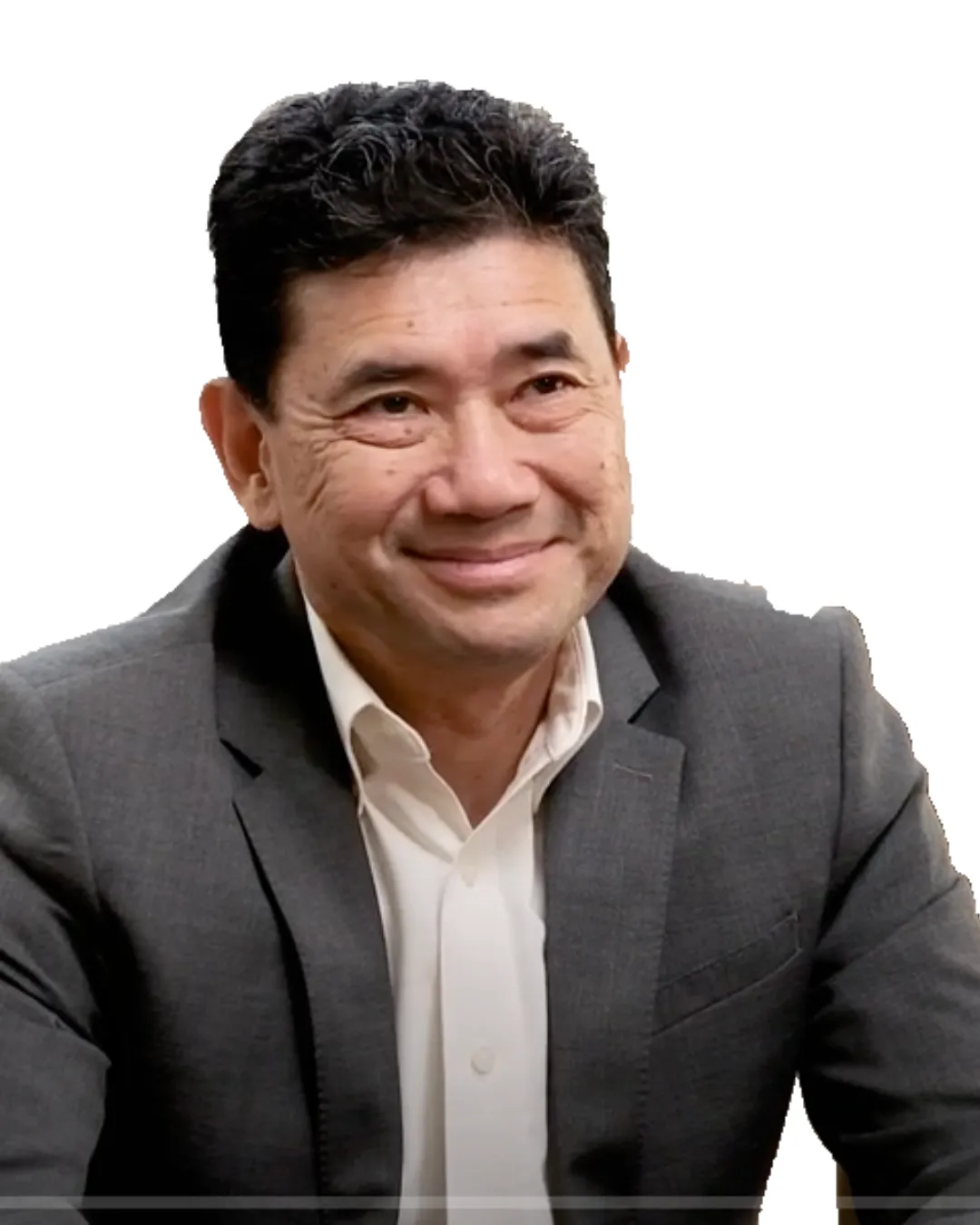
Henry Hon
Instructor
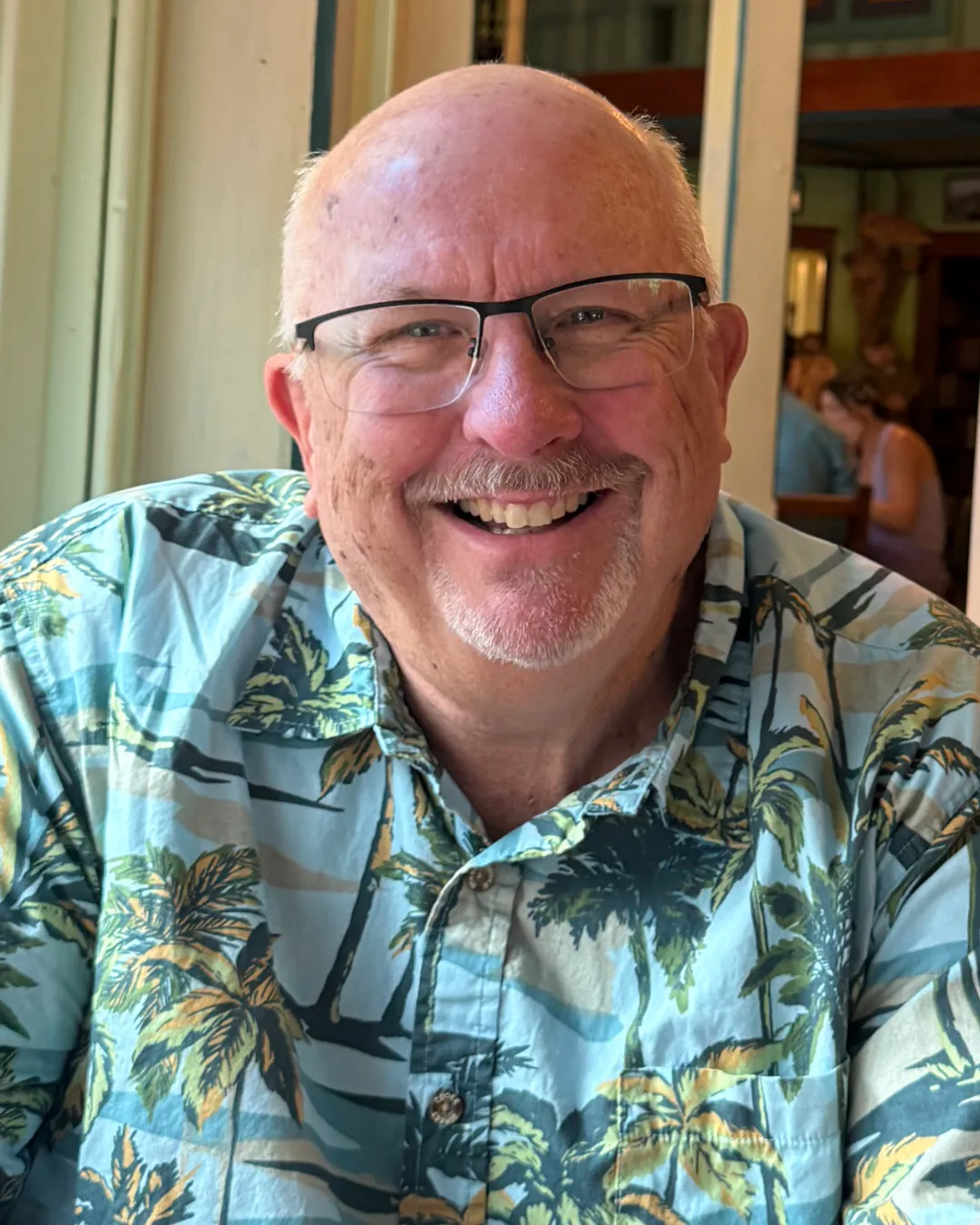
Rod Page
Instructor

Ronnie Yap
Assistant Instructor
OPEN ENROLLMENT THROUGH JULY 12, 2025
REGISTER HERE
Mondays at 1pm EST for the weekly live lesson
5 Weekly Self Guided Lessons at your own pace
Online content and interactive workbook
STILL NOT SURE?
Frequently Asked Questions
What is the purpose of this course?
The course is designed to equip believers to live out God’s eternal purpose by participating in and building up the Lord’s Ekklesia—His one Body. The course explores key themes like eternal life, truth, and glory as outlined in John 17, and emphasizes spiritual maturity, fellowship, and unity among believers.
Is this course delivered online or in person?
The 8-week course includes 1 weekly live lesson and 5 self guided lessons per week. The self-guided lessons are all in our online course portal. There is a one week break on Week Five.
What if I miss a Monday?
Live lessons will be recorded and posted to the course platform.
Do I need to have any understanding of the topic?
No! We will walk you through every step of the way
How much does it cost?
Most materials—including video teachings, supplemental guides, and textbook references—are offered for free online. Donations support the mission but are not required to participate.
Is this course for new believers or mature Christians?
It is for both. New believers will be introduced to foundational truths, while mature believers will gain clarity on how to live out and facilitate God’s eternal purpose through the Ekklesia. The structure allows learners to grow from understanding to authentic expression.
Do I need to be part of a particular denomination to join?
No. The course is non-denominational and welcomes all believers who desire to live in oneness with others, regardless of background or doctrinal tradition. It emphasizes shared faith in Jesus, not institutional affiliation.
What if I don’t agree with everything taught?
The course encourages open dialogue and reflection. While the content is rooted in Scripture and the author’s interpretation of God’s eternal purpose, participants are invited to pray, search the Scriptures, and engage respectfully with differing views.
Can I take this course with others?
Yes. The course is ideal for individual or small group study. Group participation encourages shared reflection and builds the practical expression of fellowship emphasized in each module.
Is there a certificate or recognition upon completion?
A certificate of completion will be available at the end for those who complete the course requirements with satisfaction.
How do I access the supplemental materials?
In the online course portal, you will find the content for each lesson and the interactive workbook